Free in-home measure and quote - PGT, CGI and CWS impact lines compared on your actual openings, style by style
Sliding glass doors
Impact garage doorsPGTCGI
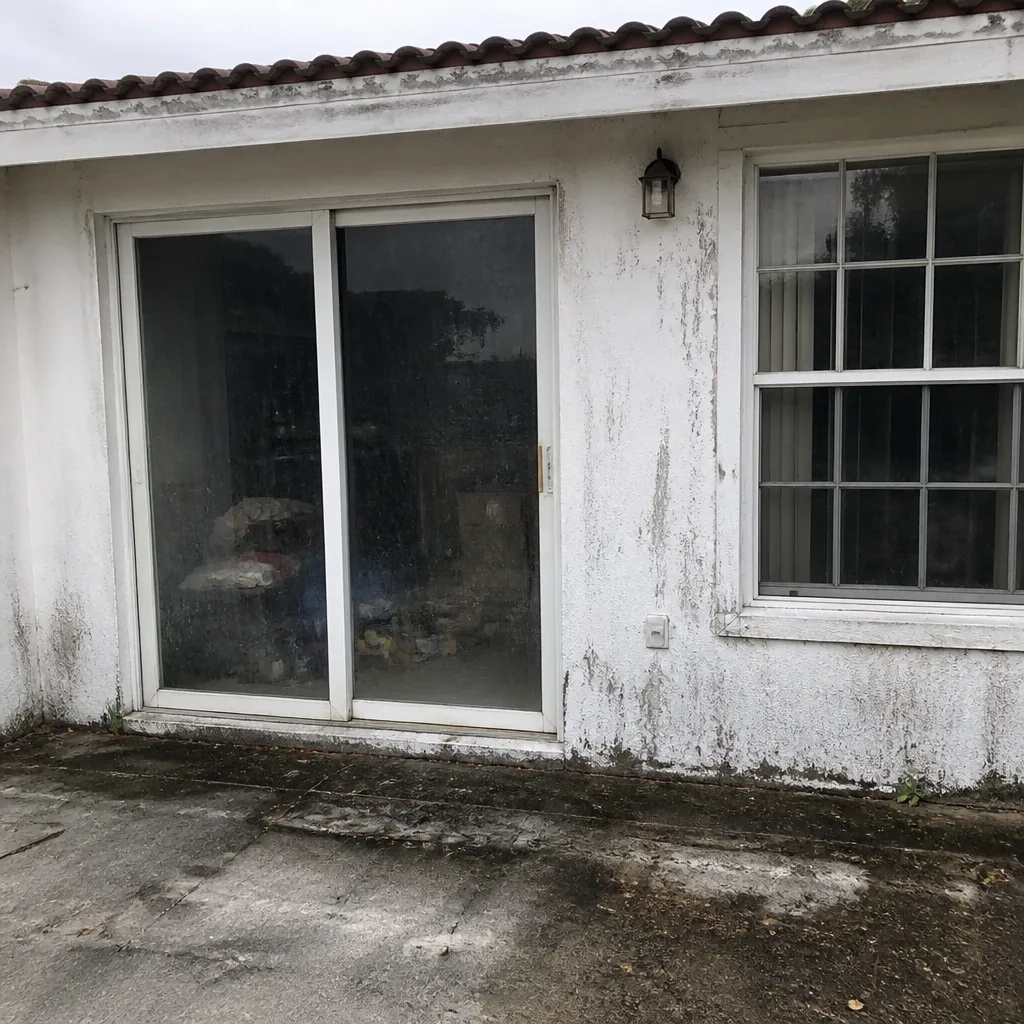 Before
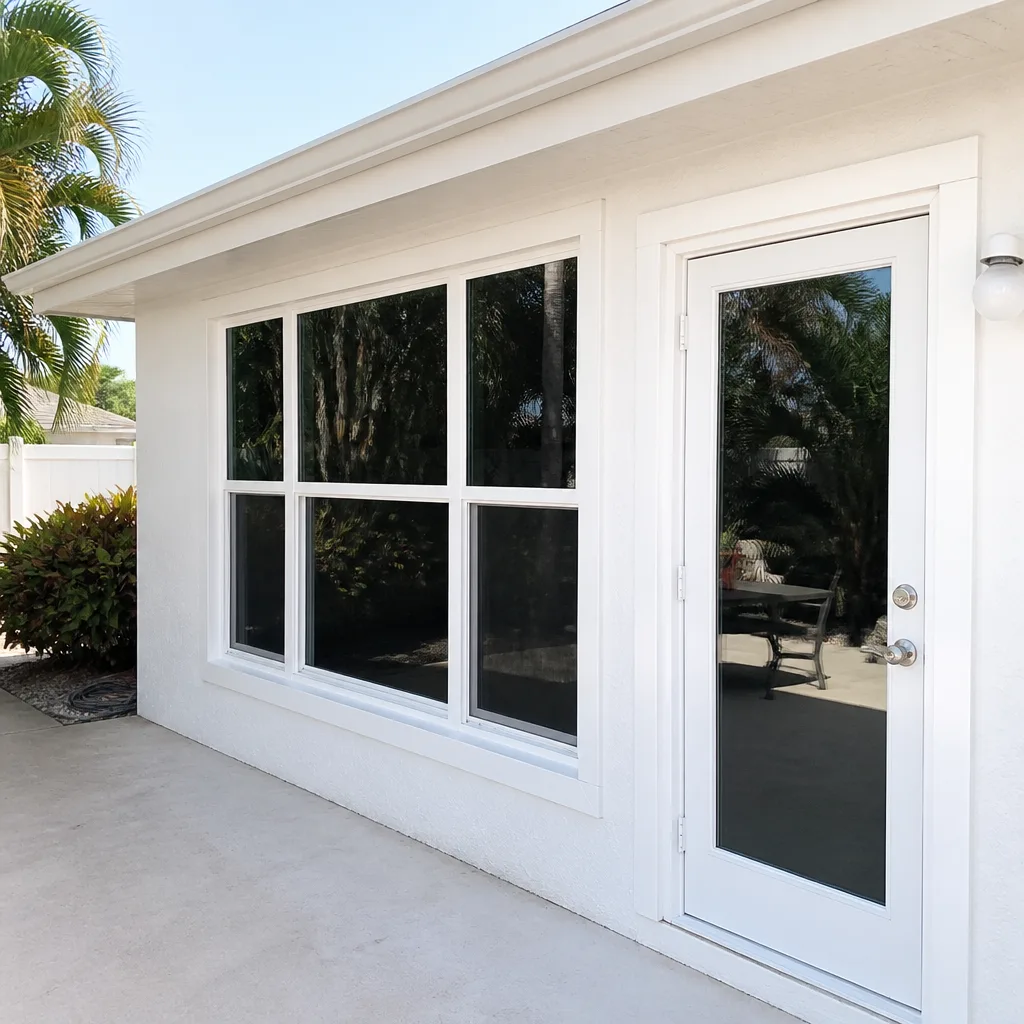 After
After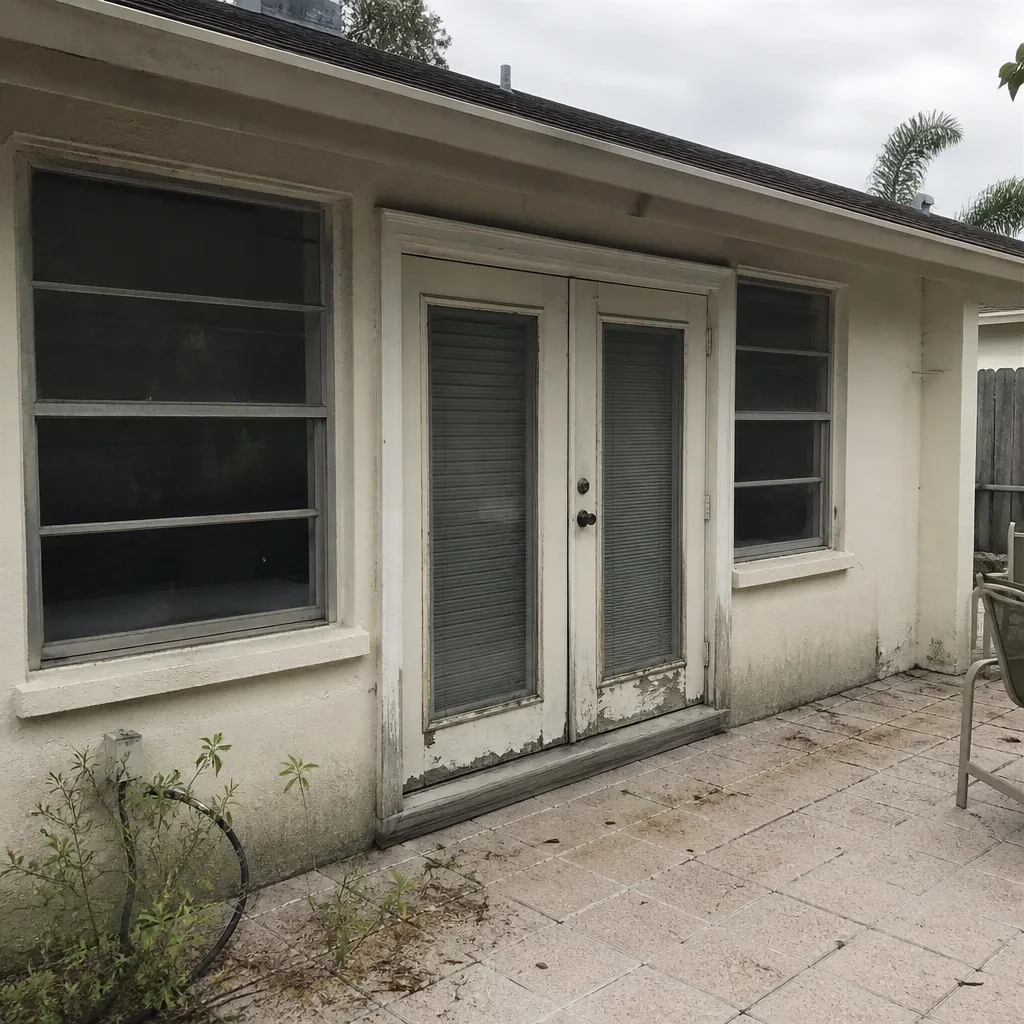 Before
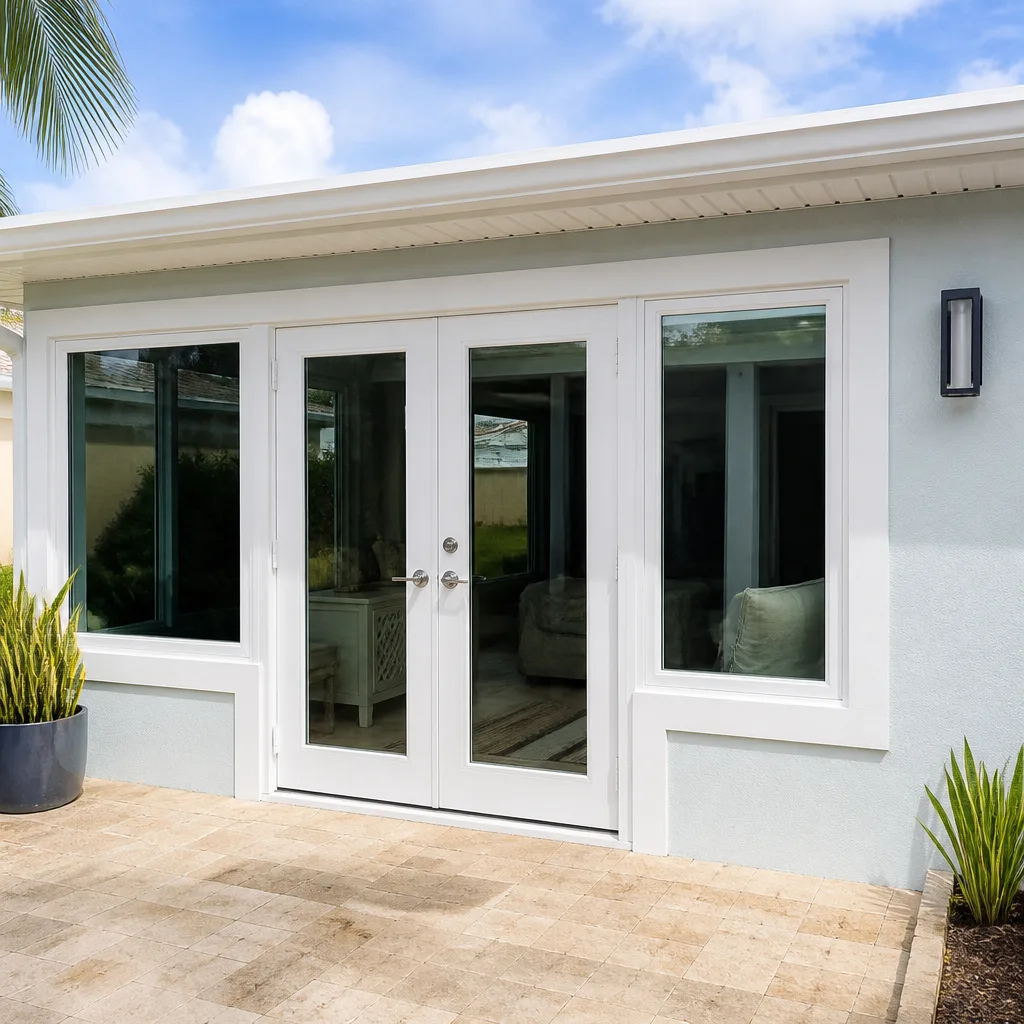 After
After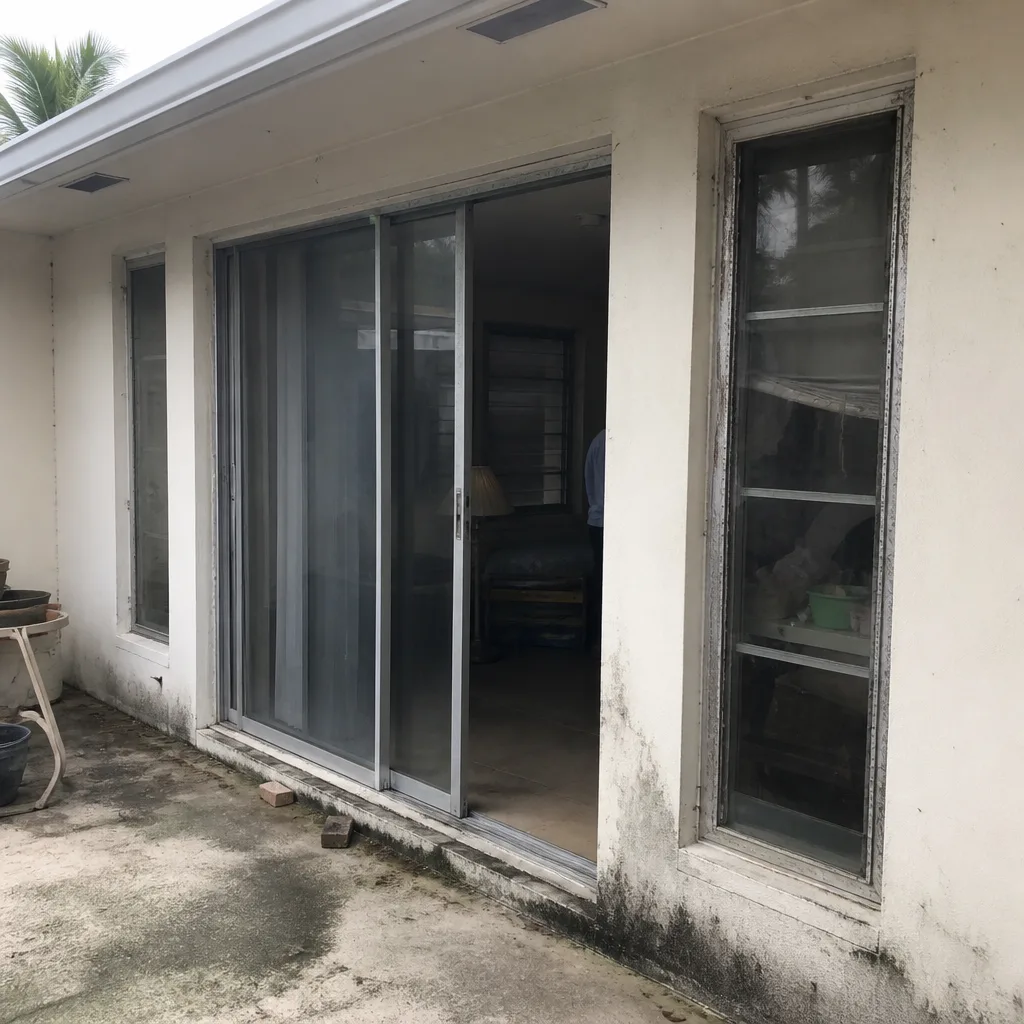 Before
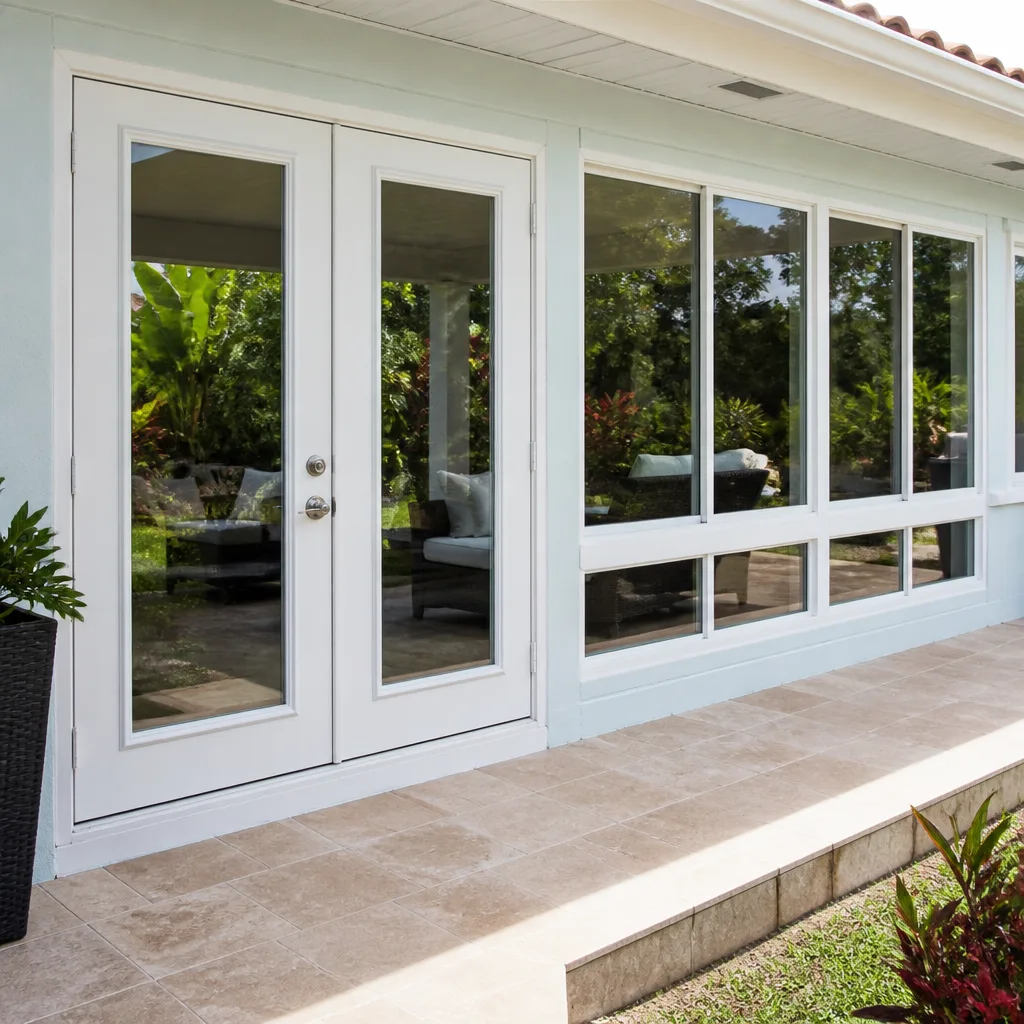 After
AfterSingle Hung Windows in Fort Pierce, FL | TruePane Windows & Doors
Single hung windows are the quiet workhorse of Florida residential construction. You see them on ranch homes along Oleander Avenue, on 1980s builds near Indian River Drive, and on new coastal construction up and down Hutchinson Island. The profile is simple: a fixed upper sash and an operable lower sash in laminated impact glass. That fixed top panel is the whole story, really. Fewer moving parts means fewer places for wind-driven rain to find a gap, and laminated glass means whatever hits the window during a storm stays outside where it belongs. Our team at TruePane Windows & Doors installs single hung impact windows throughout Fort Pierce every week, and we know which configurations actually hold up in this wind zone and which ones just look good in a brochure. If you’re pricing a replacement or planning new construction, call us at (772) 218-5890 and we’ll walk you through what makes sense for your opening sizes and exposure.
Product Overview - Single Hung Windows
The single hung window has been a Florida standard for decades because it does one thing extremely well: it keeps a tight seal while giving you a way to move air. The upper sash stays fixed, the lower sash slides up and down, and the whole assembly can be built to high-velocity hurricane zone standards without turning into a complicated piece of hardware. That’s why you see this profile on so many Fort Pierce homes built between the 1960s and today, and why it remains one of the most common impact-rated replacement profiles in Florida.
What makes the impact version different from a standard single hung is the glass package and the way it’s captured in the frame. We’re not talking about a storm panel you slap on before a hurricane. The laminated impact glass lives in the window permanently. It has a PVB interlayer sandwiched between two panes, and that interlayer is what holds the window together when something hits it. The glass cracks, the interlayer stretches, and the window stays in the opening. No water pouring in, no pressure differential blowing out your ceiling. That’s the engineering difference, and it’s the reason Fort Pierce homeowners who’ve lived through Matthew, Irma, and Nicole tend to replace their old windows with impact-rated single hungs rather than messing with shutters every June through November.
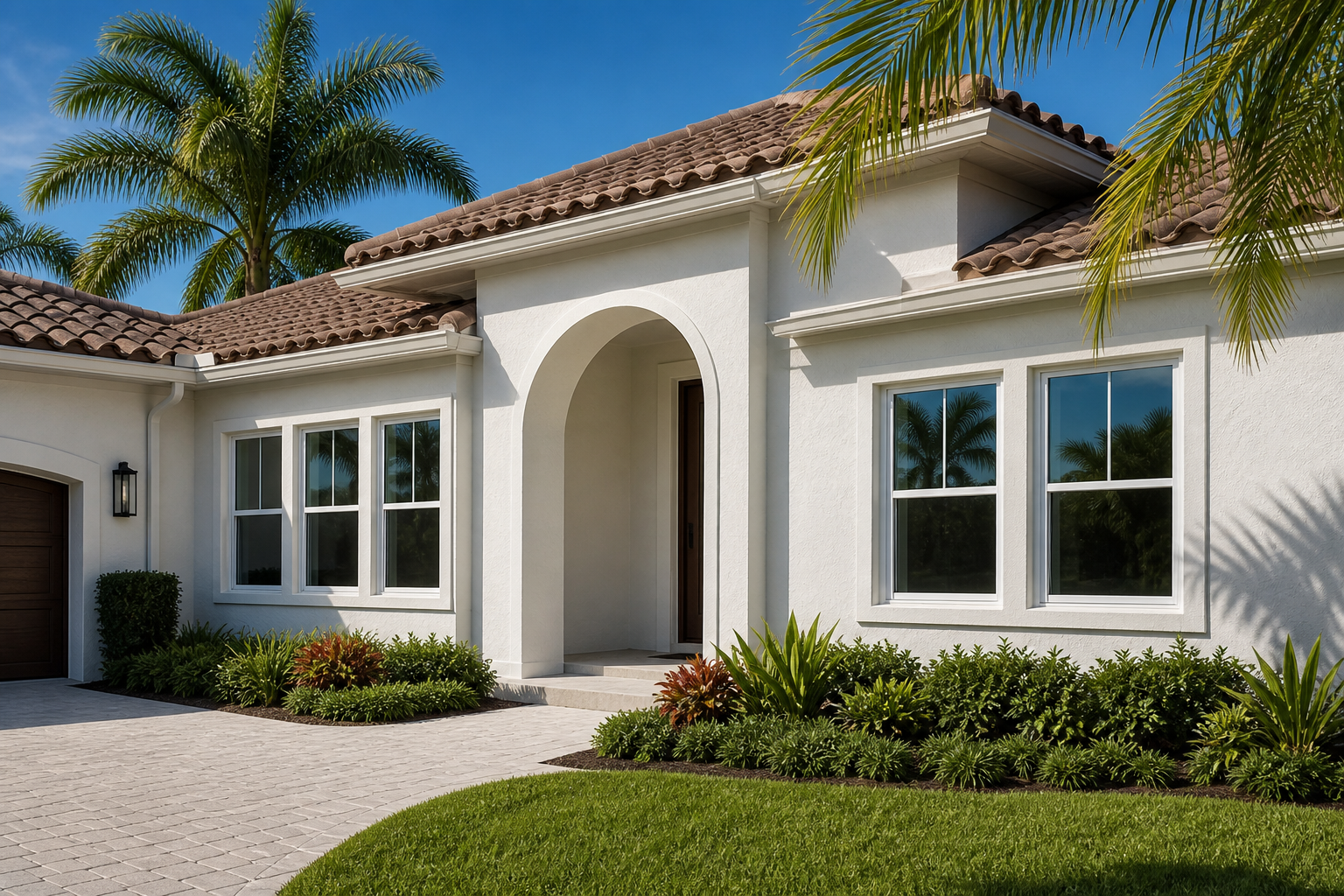
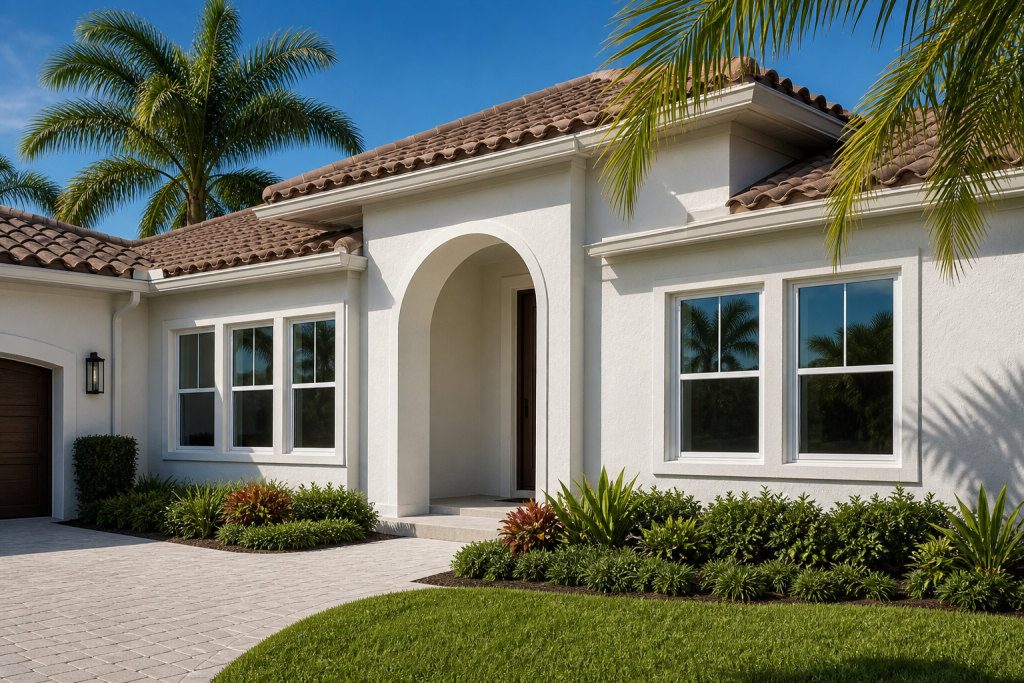
Architecturally, the single hung suits one-story Florida homes, mid-century ranches, and straightforward colonial elevations. The sightlines are clean. The proportions are familiar. And because the top sash never moves, the window doesn’t develop the upper-track rattle and air leaks that plague double hung units after a few years of hard coastal weather. For a Fort Pierce homeowner, that means a window that looks right on the house and performs right when the wind picks up.
Technical Specifications
Here are the configurable options for the single hung impact windows we order and install. Every opening gets a configuration matched to its wind zone and exposure, never a one-size-fits-all package.
- Frame materials: Aluminum and vinyl. Aluminum for strength and slimmer sightlines, vinyl for thermal performance and lower maintenance in salty coastal air.
- Glass options: Laminated impact glass with a PVB interlayer, Low-E insulated glass, tinted glass, and clear glass. Combinations available to balance impact protection with heat gain and daylight.
- Finish colors: White, almond, bronze, black, and tan. Finish selection matters on coastal homes where salt spray and UV punish painted surfaces.
- Screen options: Half screen and full screen configurations, depending on how much airflow you want when the lower sash is open.
- Sill and track options: Configurations matched to your existing rough opening and finish trim; we verify sill slope and drain paths during the site measurement.
- Compliance documentation: Miami-Dade NOA and Florida Product Approval numbers issued per configuration, verified on your specific quote.
Hurricane & Compliance Performance
Laminated Impact Glass
The glass package on these windows uses a PVB (polyvinyl butyral) interlayer bonded between two panes of glass. When debris hits, the glass absorbs the impact and the interlayer holds the broken pieces in the frame. The window stays in the opening, which is the entire point. This is the same glazing approach used in high-rise coastal construction and it’s permanently in place, no deployment required before a storm.
Miami-Dade NOA / Florida Product Approval
The single hung configurations we install carry Miami-Dade Notice of Acceptance and Florida Product Approval documents, issued per specific configuration. Your quote includes the approval numbers that match your exact frame, glass, and size combination. We verify them against your permit application before anything gets ordered, so there’s no surprise at the building department.
FBC / HVHZ Compliance
These windows are engineered to Florida Building Code High-Velocity Hurricane Zone requirements. In Fort Pierce, that matters because St. Lucie County enforces HVHZ provisions with real teeth. Wind load calculations are done per opening, not per project, and the window package has to prove it can take the pressure. We submit documentation with every permit package we handle.
TAS 201 / TAS 202 / TAS 203 Testing Context
The HVHZ-rated products we install are tested under the TAS protocol family: TAS 201 for large-missile impact resistance, TAS 202 for cyclic wind-pressure loading, and TAS 203 for forced-entry resistance. Those three tests together simulate what a hurricane actually does to a window: it hits it, it pulses pressure against it over and over, and it tries to push the glass out of the frame entirely. A window that passes all three is a window you can rely on when the eyewall comes through Fort Pierce again.
Design Pressure Matched to Your Wind Zone
Design pressures for these windows are matched to your specific wind zone, up to +/-100. That number should never be higher than what your opening actually requires. Over-specifying design pressure is wasted money, and under-specifying fails inspection. We run the calculations per opening so you pay for exactly the performance your house needs, nothing less and nothing more.
Energy Performance
Low-E and insulated glass options are available for these windows, which helps cut solar heat gain on west-facing Fort Pierce exposures. The laminated impact layer does the heavy lifting for storm protection; the Low-E coating handles the afternoon sun through August and September. On a house with single-glazed windows from the 1980s, the difference indoors is noticeable within the first summer.
Color & Glass Options
Color choice on a Fort Pierce home typically comes down to the architectural style and how much sun the elevation takes. White and almond are the safe, classic picks for ranch homes and older concrete-block builds. They read clean, they don’t fade, and they keep the window from becoming a visual focal point. Bronze and black have become increasingly popular on more modern elevations and on homes where the owner wants a little contrast against a light stucco wall. Tan works well on Mediterranean-style houses and darker siding, particularly in older Fort Pierce neighborhoods with barrel tile and earth tones.
On glass, clear laminated is the baseline for impact protection and the most transparent view from inside. Tinted glass cuts glare and heat gain but changes how the interior light feels, so we always show samples before committing a whole house to it. Low-E insulated glass is the choice for homeowners who run air conditioning ten months a year and want to take the edge off east and west-facing openings. Every combination gets matched to your design pressure requirements, so the glass package and the structural rating work together rather than against each other.
Installation by TruePane Windows & Doors in Fort Pierce
An impact window is only as good as its installation. That’s not a slogan; it’s a code and performance reality. The NOA and Florida Product Approval for a window assume proper installation per the manufacturer’s evaluated assembly. When someone slaps a window into a rough opening without flashing, shimming, and sealing it correctly, the approval becomes a piece of paper and the window becomes a leak path. We see the results of bad installations on Fort Pierce remodels all the time: water stains under the sill, bowed frames, windows that don’t close square after two seasons.
Our process starts with a pre-install inspection of the rough opening condition. We’re looking at the framing, the sill slope, any existing water damage, and how the sheathing and WRB are detailed. Then we set the window level, plumb, and square, shimming as needed to keep the frame from twisting. The perimeter gets sealed with AAMA 812 low-expansion foam, which fills the gap without bowing the frame, and the exterior gets detailed per AAMA 2400/2410 installation practice. We water-test every window after install, clean the site, and walk you through what we did. For Fort Pierce specifically, we’re accounting for coastal exposure, the local wind zone, and St. Lucie County permitting expectations for HVHZ product documentation. If your project needs Miami-Dade NOA or FL product approval submittals, we include that paperwork in your permit package and make sure it matches the windows actually ordered.
Frequently Asked Questions - Single Hung Windows
What wind zone or design pressure are the single hung windows rated for?
Design pressures are matched to your specific wind zone, up to +/-100, based on the opening size, height above grade, and exposure category of your Fort Pierce home. We calculate the required design pressure per opening rather than quoting one blanket number, because a second-floor window facing the Indian River Lagoon needs more capacity than a first-floor window sheltered by a porch. Call (772) 218-5890 with your address and we can run the numbers for your exact openings.
What is the lead time for single hung impact windows?
Lead time depends on the frame material, glass package, and finish you select, plus the current production queue at the line we’re ordering from. We order from our PGT, CGI, CWS, ES Windows, ECO, and Mr-Glass lines, and we confirm current lead times before you sign anything. On replacement projects, we coordinate the order so your openings aren’t sitting open longer than necessary.
Do I need a Miami-Dade NOA or Florida Product Approval submittal for my permit?
In most Fort Pierce and St. Lucie County permit applications for impact windows, yes, the building department will want the product approval that matches your exact configuration. We include the applicable NOA or Florida Product Approval document in your permit package and verify it lines up with what actually got ordered. That step saves you a rejected permit and a week of resubmission time.
Can I customize the size or configuration?
Single hung impact windows are ordered per opening size within each product line’s tested limits. Unusual sizes or oversized openings may require a different mulling configuration, which we evaluate during the site measurement. We don’t guess at sizes and we don’t order from a stock list, because in HVHZ country the approval has to match the window exactly. Tell us what you need and we’ll spec what actually works.
How do I maintain the frame and hardware on these windows?
For aluminum frames, rinse them periodically with fresh water to remove salt buildup, especially on homes within a few blocks of the ocean, and keep the track channels clear of sand and debris. Vinyl frames just need occasional washing with mild soap. The laminated impact glass should never be pressure-washed at close range; a garden hose and soft brush are enough. We can walk you through maintenance specifics for your exact configuration when we hand over the job.
Get a Quote - Single Hung Windows in Fort Pierce
If you’re ready to price single hung impact windows for your Fort Pierce home, call us at (772) 218-5890 and we’ll schedule a free on-site measurement. We’ll walk the openings with you, talk about exposure, wind zone, and finish options, and put together a written quote with the NOA and product approval documentation matched to your exact project. No pressure, no vague numbers. Just straight answers from a Fort Pierce installer that’s done this before.
Written by the team at TruePane Windows & Doors, serving Fort Pierce, FL and surrounding St. Lucie County communities.
Six Reasons Homeowners Choose TruePane Windows & Doors
Impact systems engineered to design pressures up to +/-100, matched to your wind zone - your openings hold when the storm arrives.
Low-E insulated impact glass from our manufacturer lines commonly cuts monthly cooling bills 20-30%.
Laminated impact glass shuts out up to 40% of outside noise - traffic, neighbors, weather.
Monitoring services run $30-90 a month. Laminated impact glass resists forced entry around the clock, with no subscription.
Florida homeowners average around 25% savings on the windstorm portion of their policy after protecting every opening - some homes qualify for more.
A full impact package upgrades curb appeal, buyer confidence and appraised value in one project.
Other TruePane Windows & Doors Services
What Neighbors Say About TruePane Windows & Doors
Detailed Images