
Free in-home measure and quote - PGT, CGI and CWS impact lines compared on your actual openings, style by style
Sliding glass doors
Impact garage doorsPGTCGI
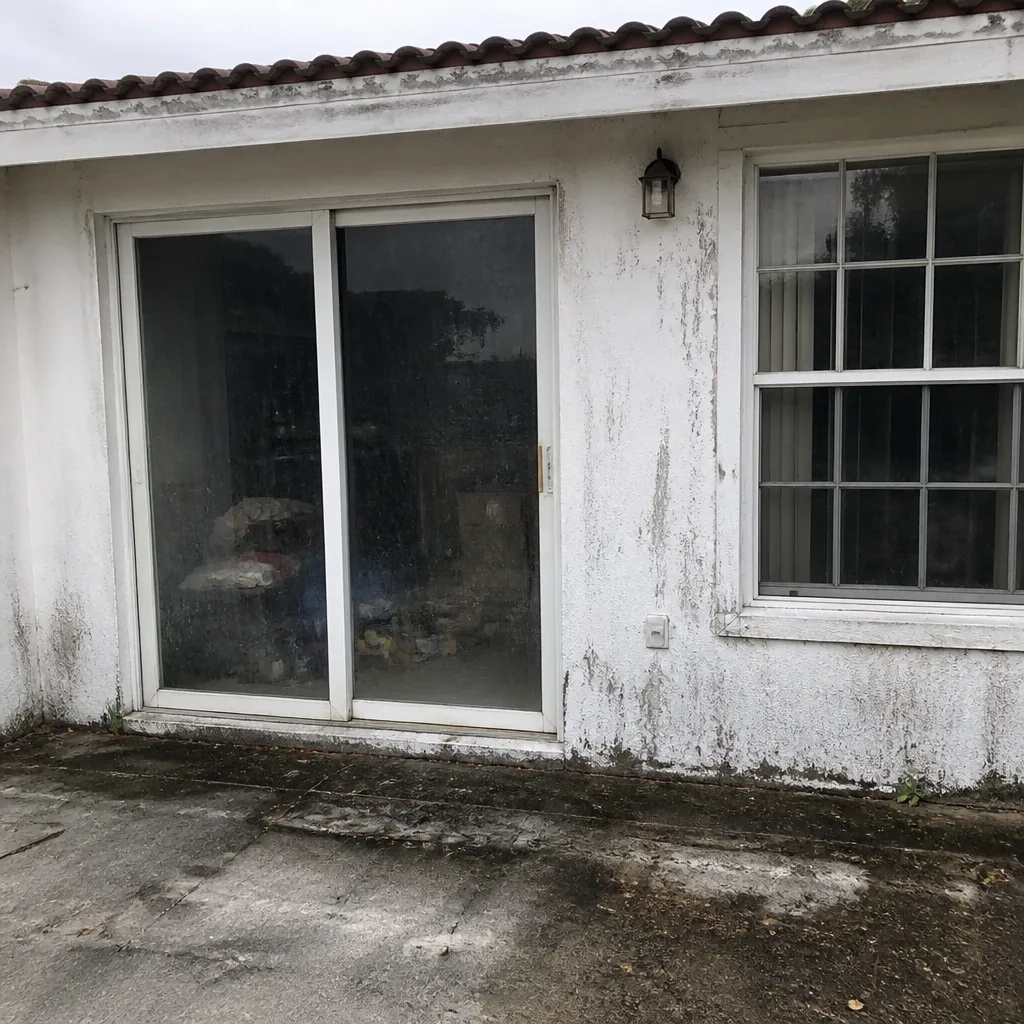 Before
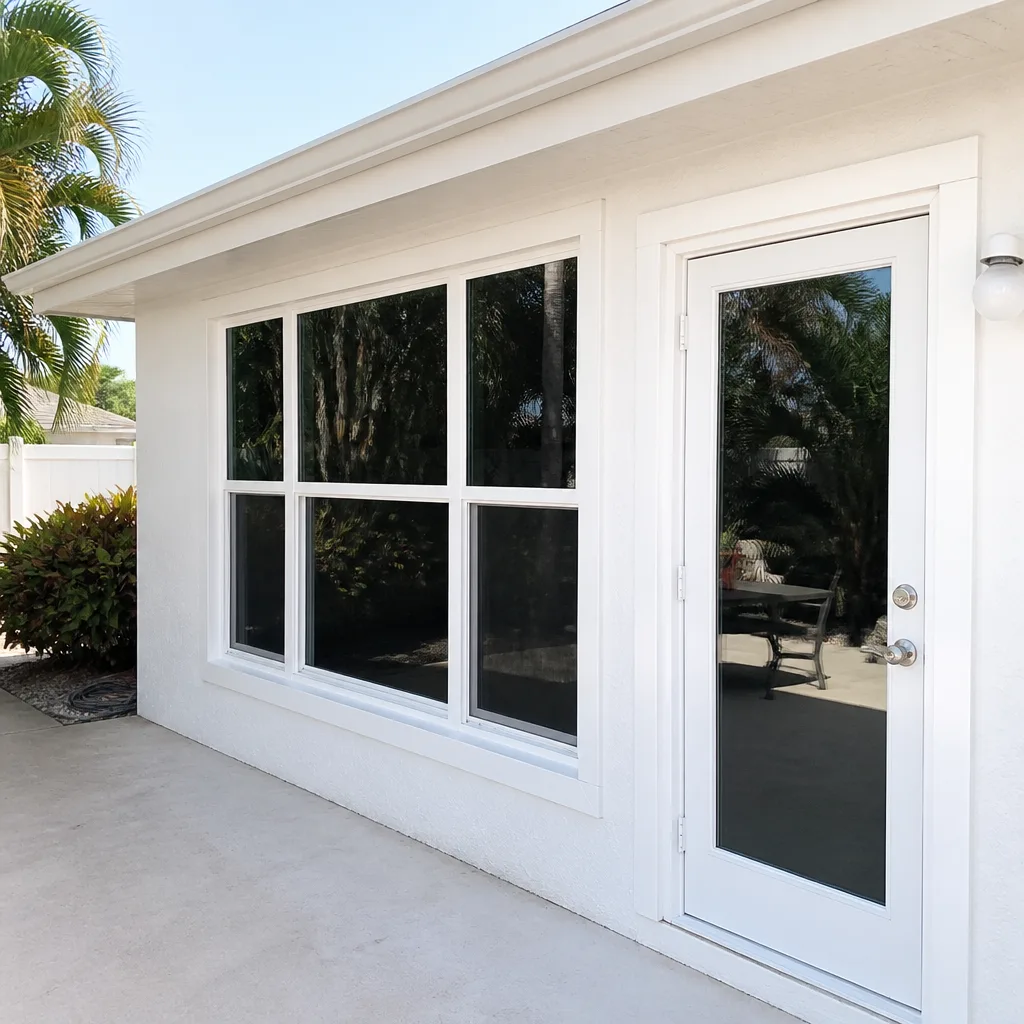 After
After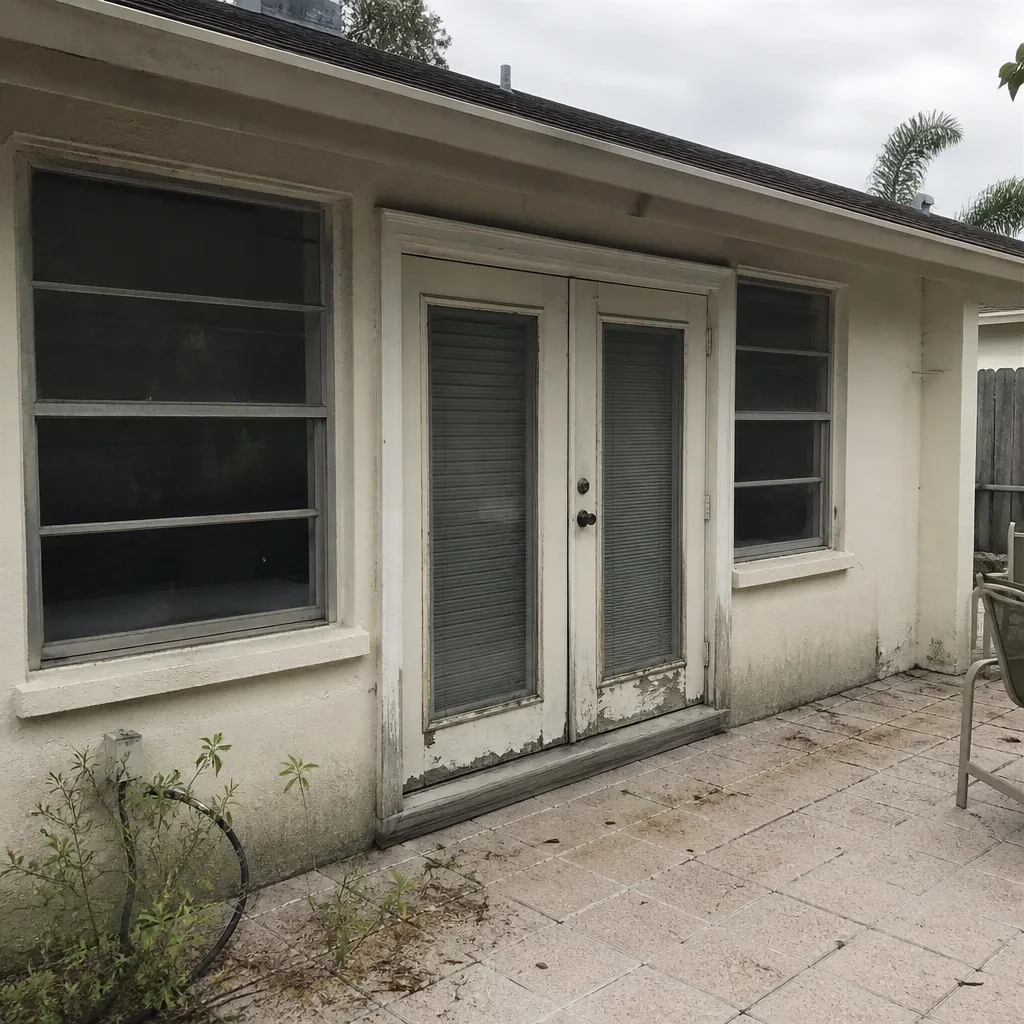 Before
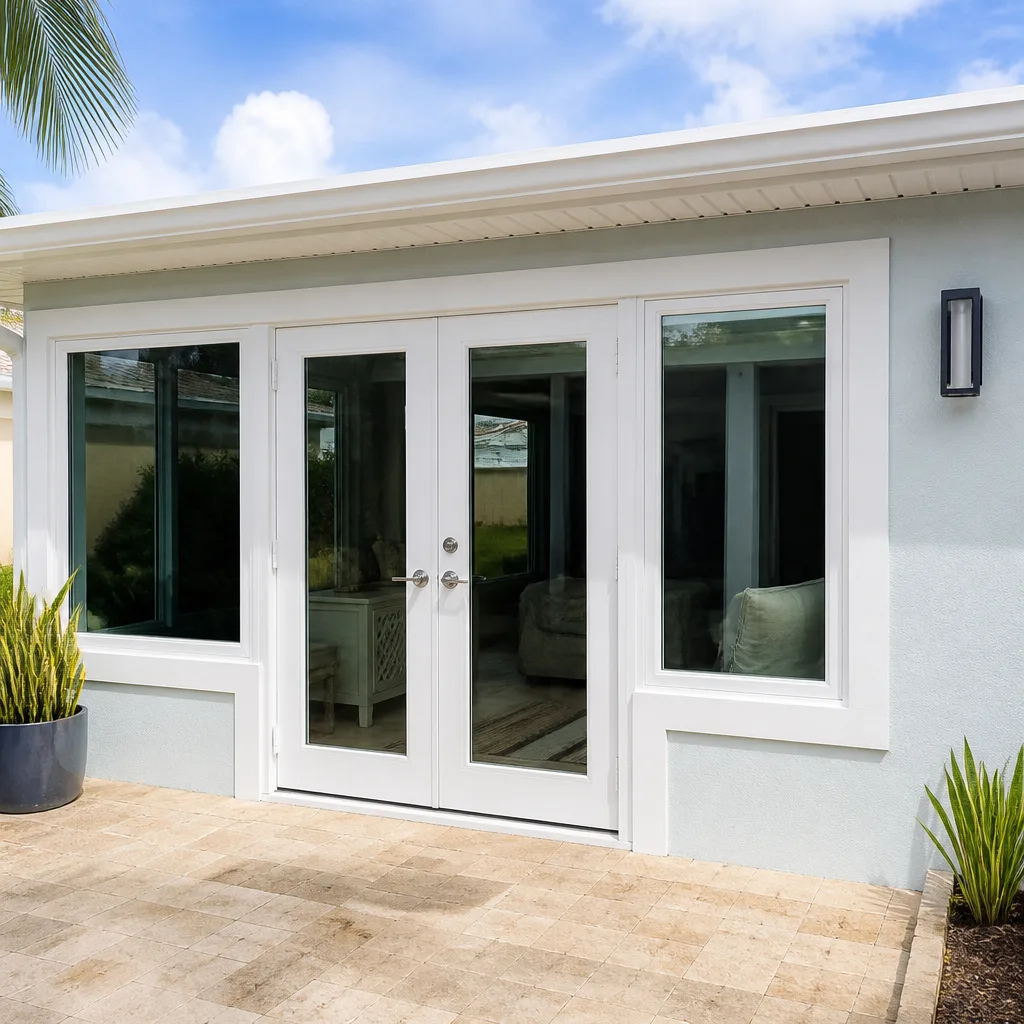 After
After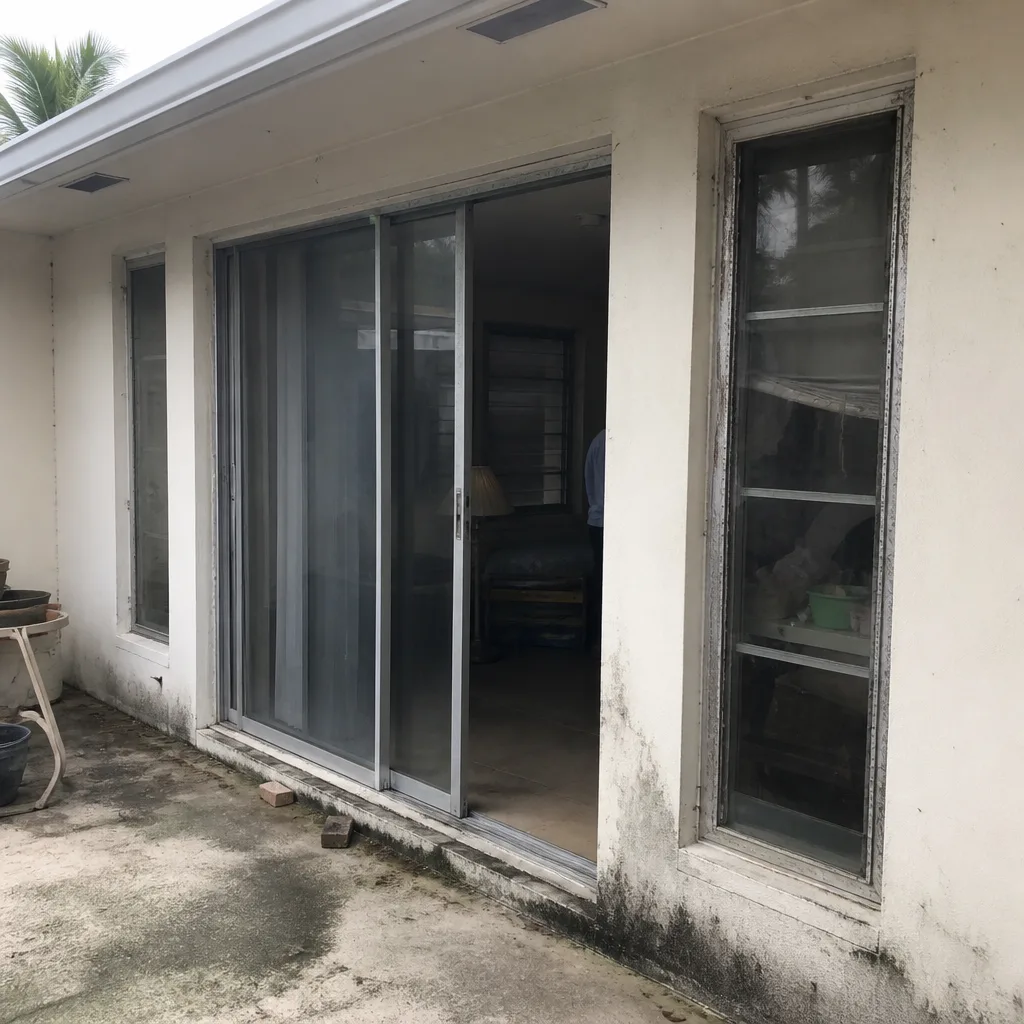 Before
 After
AfterCGI Glass Railing Systems: The Fort Pierce Owner’s Guide
We stock, match, and install CGI-compatible glass railing systems throughout Fort Pierce, and a typical panel or hardware replacement runs $285 to $740 installed depending on the part and finish. Most CGI railing issues we see are not the glass itself but the aluminum shoes, setting blocks, or gaskets that hold the panel, and we can usually match the profile from a photo and a few measurements. You’ll know something is wrong the first time you hear glass click against metal when you brush past it, or the panel shifts a quarter inch when someone leans on it after a cookout. That looseness is the earliest warning, and in salt air along Indian River Drive it gets worse faster than homeowners expect.
Key Takeaways
- CGI glass railing panels are matched by glass thickness, panel height, and shoe profile, not just a part number.
- Most failures start in the aluminum base shoe or the gaskets, not the tempered glass.
- Salt air and afternoon sun at a Fort Pierce elevation shorten gasket life to roughly 5 to 8 years.
- We carry common CGI-profile setting blocks, gaskets, and shoe hardware on the truck for most service calls.
Which CGI Models This Applies To
This covers the CGI glass railing lines installed on residential decks, balconies, pool enclosures, and stair runs throughout Fort Pierce. The hardware profile varies by panel height: 36-inch and 42-inch guardrail panels use a wider base shoe than the shorter 30-inch cap-rail panels around an elevated patio, and mixing those shoes is the most common ordering mistake we undo. CGI also changed their gasket durometer on post-2016 production, so a 2012 panel and a 2019 panel can look identical from the driveway and take different rubber. That is a compatibility gotcha worth knowing before you order online and find the gasket will not seat.
Identifying what you have is straightforward. Look for the small etched code in the corner of the glass panel; it is typically a six-character marking that tells the glass thickness and tempering date. Then measure the exposed glass height and the width of the aluminum channel at its widest point. With those three numbers we can confirm the correct OEM-profile part. TruePane is an independent service provider, not affiliated with CGI, but we install and service their railing systems regularly and keep both OEM and quality aftermarket equivalents on hand. We quote both options side by side on paper so you see exactly what you are buying. Aftermarket gaskets and setting blocks from reputable glass-hardware suppliers hold up as well as the OEM versions in Florida exposure, and they save meaningful money on a multi-panel run. We also stock glass railing parts for Andersen, and Pella systems when a mixed-brand deck crosses our desk.
Signs Your CGI Glass Railing Systems Is Failing
- Panel shifts when you lean on it. The setting blocks inside the base shoe have compressed or crumbled, which lets the glass drop a fraction of an inch and slide. Left alone, the glass starts bearing on the aluminum channel instead of the rubber, and tempered glass edge-loading is how a panel eventually chips or cracks.
- You hear glass tapping metal when the wind gusts. The gaskets have shrunk and lost their grip on the panel edges. In Fort Pierce, afternoon sea breezes off the Atlantic make this the symptom owners notice first, especially on second-story balconies.
- White chalky residue under the base shoe. That is aluminum corrosion from standing water trapped against the shoe. It is common on low-side panels where a deck does not pitch water away fast enough, and it eats the shoe before it ever touches the glass.
- The top cap or shoe screws are pulling loose. Often this is not the screw failing but the aluminum beneath it wallowing out from repeated panel movement. Tightening the screws without replacing the setting blocks just strips the hole further.
- Cloudiness at the bottom edge of the glass. Water has wicked into the shoe and sat against the panel edge. The glass is fine structurally, but the staining is permanent once mineral deposits set, and the shoe gasket needs replacement to stop it from creeping upward.
Replacement Cost & What’s Included
Here is the straight pricing for Fort Pierce work:
- Gasket replacement, per panel: $95-$180 installed, including removal of the old rubber and full cleaning of the channel.
- Setting block replacement, per panel: $120-$240 installed, including re-seating and leveling the glass.
- Base shoe replacement, per panel: $220-$410 installed, depending on finish and panel height.
- Full panel replacement (glass and hardware), per panel: $385-$740 installed, depending on glass size and hardware profile.
The spread is driven mostly by panel size and whether your hardware is standard clear anodized or a bronze or white finish. Multi-panel jobs cost less per panel since we are already on site with the truck set up. Every quote is a fixed price in writing before we start, and the work is covered by the Done Right Promise. That means if something is not right, we make it right, no paperwork and no arguing. Both the manufacturer warranty and our workmanship warranty are registered in writing before the truck leaves your driveway.
DIY or Call Us?
What an owner can safely check themselves: whether a panel is visibly shifting when pushed lightly, whether the gasket has pulled away from the glass at the corners, and whether the shoe screws turn freely instead of biting. Those observations help us quote the job accurately over the phone. What an owner should not do: pull a panel out of its shoe to replace gaskets or setting blocks. The glass is tempered, but it is heavy, and setting it back into a channel at the correct depth with the correct block placement is where panels get edge-chipped. A chipped edge on tempered glass means the whole panel is finished, and a replacement panel costs more than the service call would have. If the panel is on a second-story guardrail, the stakes are even higher. That is where the railing is doing real work, and it has to be right. Call us at (772) 218-5890 and we will come look at it.
FAQs
The tempered glass itself will last decades if it is not edge-damaged; the gaskets and setting blocks that hold it in place typically go 5 to 8 years in Fort Pierce salt air and sun before they harden or compress. Count on replacing the rubber and setting blocks roughly twice over the life of the railing. Call (772) 218-5890 and we will inspect yours and tell you where it stands.
Chipped or cracked tempered glass cannot be repaired; once the temper is compromised at the edge or face, the panel must be replaced. Loose panels with intact glass are almost always repairable with new gaskets and setting blocks, which is a fraction of the cost of new glass.
Most gasket and setting block replacements are done in under two hours per panel, and we complete most jobs in a single visit. A full panel replacement may take a few days if your glass size is not one we stock, since the panel is cut and tempered to order.
Yes. Our Fort Pierce service trucks carry common CGI-profile gaskets, setting blocks, shoe hardware, and a range of finish-matched fasteners, which is how we complete most railing repairs in one trip. If your exact profile is uncommon, we source it and return as soon as it lands.
If you have a CGI glass railing system in Fort Pierce that is loose, noisy, or starting to show its age, call TruePane Windows & Doors at (772) 218-5890. We will identify the exact part, give you a fixed price in writing, and stand behind the work. If it is not right when the caulk dries, it will not be right in two years either, so we do it right the first time.
Written by Dale Kessler, Owner, TruePane Windows & Doors at TruePane Windows & Doors, serving Fort Pierce and nearby areas.
Six Reasons Homeowners Choose TruePane Windows & Doors
Impact systems engineered to design pressures up to +/-100, matched to your wind zone - your openings hold when the storm arrives.
Low-E insulated impact glass from our manufacturer lines commonly cuts monthly cooling bills 20-30%.
Laminated impact glass shuts out up to 40% of outside noise - traffic, neighbors, weather.
Monitoring services run $30-90 a month. Laminated impact glass resists forced entry around the clock, with no subscription.
Florida homeowners average around 25% savings on the windstorm portion of their policy after protecting every opening - some homes qualify for more.
A full impact package upgrades curb appeal, buyer confidence and appraised value in one project.